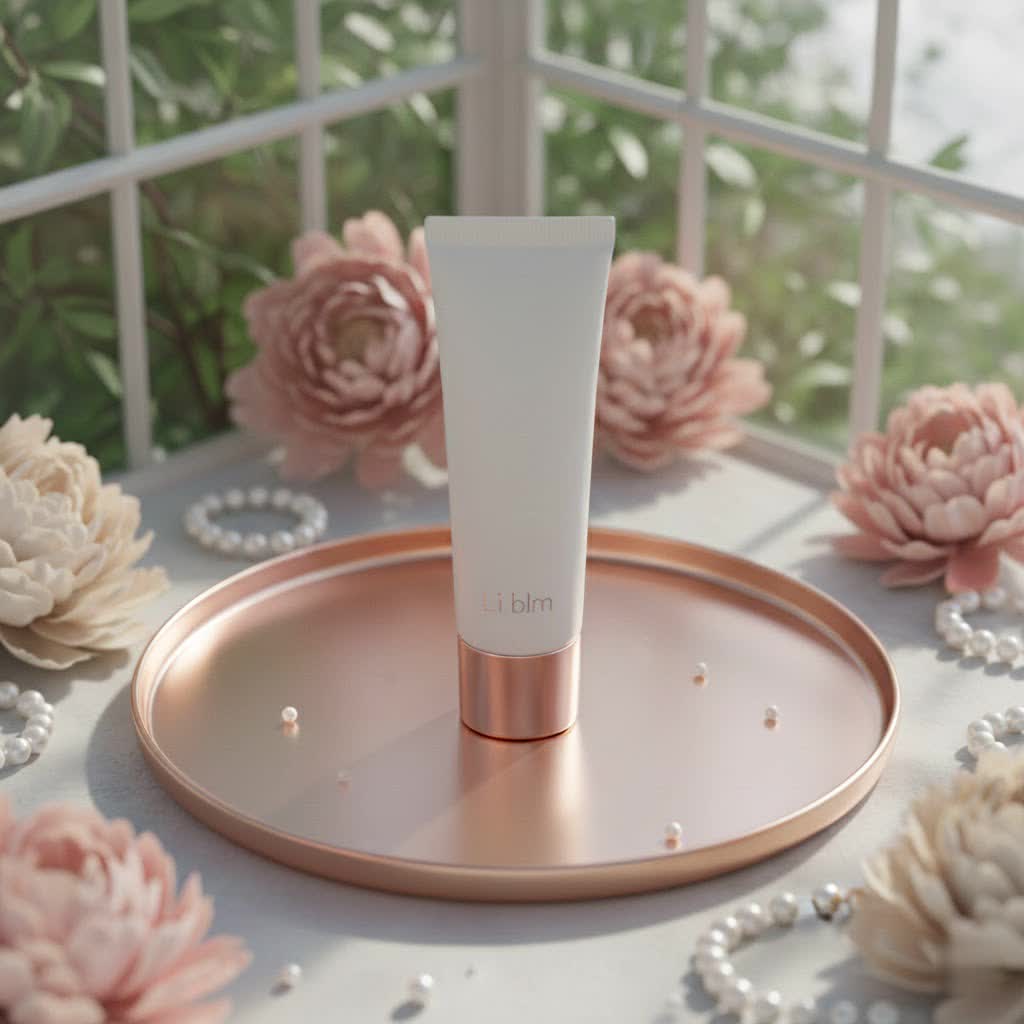
Are your lips often feeling dry, chapped, or lacking that vibrant glow? You’re not alone. In a world brimming with skincare choices, finding the perfect lip balm that truly nourishes and transforms your pout can be a major upgrade. This comprehensive guide will examine the essential role of lip balm, explore various types, and shine a spotlight on the Naturium Phyto-Glow Lip Balm, a beloved product that promises not just hydration, but a luminous, healthy sheen. Get ready to discover the secrets to achieving soft, supple, and irresistibly radiant lips.
Why Lip Balm is Your Lip’s Best Friend
Our lips are often the unsung heroes of our face, constantly exposed to environmental aggressors yet frequently overlooked in daily skincare routines. Understanding why they need special attention is the first step towards a healthier, more beautiful smile.
The Critical Need for Lip Hydration
Unlike the rest of your skin, your lips lack sebaceous glands, the natural oil producers that keep skin moisturized. This anatomical difference makes them highly susceptible to dryness, cracking, and chapping. External factors further compound this vulnerability. Harsh weather conditions, such as cold winds or intense sun, can strip moisture away, leaving your lips feeling tight and uncomfortable. Indoor heating and air conditioning also contribute to dehydration, as do habits like lip-licking, which provides temporary relief but ultimately exacerbates dryness by evaporating the lip’s natural moisture barrier. Over time, this constant exposure and lack of protection can lead to visible damage, discomfort, and even premature aging of the delicate lip skin.
The Transformative Benefits of Regular Lip Balm Use
Consistent application of a high-quality lip balm offers a multitude of benefits that extend beyond mere aesthetics. Firstly, it creates a protective barrier, shielding your lips from environmental stressors like UV rays (if it contains SPF), wind, and pollution. This barrier locks in essential moisture, preventing the common woes of dryness and chapping before they even start. Secondly, a good lip balm delivers vital nourishing ingredients directly to the lip tissue, promoting healing and repair for already compromised lips. Regular use keeps lips soft, smooth, and supple, enhancing their natural plumpness and overall appearance. It’s an indispensable step in maintaining lip health, ensuring they remain comfortable, healthy, and ready to take on the day with a natural, alluring glow.
Popular Lip Balm Varieties and Their Unique Charms
The market is flooded with an array of lip balms, each designed to cater to different preferences and needs. From convenient sticks to deeply nourishing pots, understanding the characteristics of each type can help you make an informed choice.
Stick Lip Balms
|
Our Picks for the Best Lip Balm in 2026
As an Amazon Associate I earn from qualifying purchases.
|
||
| Num | Product | Action |
|---|---|---|
| 1 | Earth's Daughter USDA Organic Lip Balm 6-Pack - Fruit Flavors, Beeswax, Coconut Oil, Vitamin E - Best Lip Repair Chapstick for Dry Cracked Lips - Moisturizing Lip Care |

|
| 2 | Aquaphor Lip Repair Stick, Moisturizing Lip Balm Pack, Relieves Dryness, 0.17 Oz Stick, Pack of 2 |
|
| 3 | Blistex Medicated Lip Balm, 0.15 Ounce, 3 Count (Pack of 1) Prevent Dryness & Chapping, SPF 15 Sun Protection, Seals in Moisture, Hydrating Lip Balm, Easy Glide Formula for Full Coverage |
|
| 4 | eos 100% Natural & Organic Lip Balm Sticks- Strawberry Sorbet, Vanilla Bean, Sweet Mint & Pomegranate Raspberry, Lip Care Products, 0.14 oz, 4-Pack |
|
| 5 | Burt's Bees Lip Balm, Beeswax, Strawberry, Coconut and Pear, and Vanilla Bean Pack, With Responsibly Sourced Beeswax, Tint-Free, Natural Lip Treatment, 4 Tubes, 0.15 oz. |
|
| 6 | Aquaphor Lip Repair Ointment, Moisturizing Lip Balm Pack, Relieves Dryness, 0.35 Tube, Pack of 2 |
|
| 7 | Sky Organics Organic Lip Balms With Beeswax for Lips, USDA Certified Organic, Four Assorted Flavors to Moisturize, Soothe & Soften, 4pk. |
|
| 8 | Aquaphor Lip Repair Stick with Jojoba Oil and Shea Butter, Moisturizing Lip Balms, Fragrance Free and Paraben Free, Immediately Relieves Dryness, 0.17 Oz Stick, Pack of 4 |
|
| 9 | Burt's Bees Lip Balm - Original Beeswax 12 Count Pack in Bulk, Lip Moisturizer With Responsibly Sourced Beeswax, Tint-Free, Natural Origin Conditioning Treatment, 12 Tubes, 0.15 oz |
|
| 10 | LANEIGE Lip Glowy Balm: Sheer Tinted Lip Moisturizer with Shea Butter, for Hydrating Shine & Soft Lips |
|
Stick lip balms are arguably the most ubiquitous form, prized for their ease of use and portability.
- Pros: Extremely convenient for on-the-go application, hygienic as it minimizes direct finger contact, and often comes in sleek packaging.
- Cons: Some formulations can feel waxy or might not offer the deepest hydration compared to other types. If the ingredients aren’t balanced, they might create a surface barrier without truly penetrating to nourish.
- Best For: Individuals seeking quick, effortless application throughout the day, those who prioritize hygiene, and anyone needing a reliable everyday balm.
Pot Lip Balms
Typically housed in small tubs, pot lip balms are known for their rich textures and potent formulas.
- Pros: Often packed with highly emollient and nourishing ingredients, providing intense hydration and a luxurious feel. Many feature natural butters and oils for deep conditioning.
- Cons: Requires finger application, which can be less hygienic, especially when out and about. Less convenient for quick touch-ups without access to clean hands.
- Best For: Those with severely dry, chapped lips requiring intensive overnight treatment or deep daytime nourishment, and individuals who appreciate a more sensorial application experience.
Tinted Lip Balms
Combining the benefits of lip care with a touch of color, tinted lip balms are a versatile hybrid.
- Pros: Offers both hydration and a sheer wash of color, perfect for a natural “my lips but better” look. Eliminates the need for a separate lipstick for casual wear.
- Cons: The level of hydration might be slightly less than dedicated clear balms, as some space is taken up by pigments. The tint may transfer more easily than a traditional lipstick.
- Best For: Anyone desiring a subtle pop of color while keeping their lips moisturized, ideal for no-makeup makeup days or when a full lipstick feels too heavy.
Overnight Lip Balms/Masks
Designed for intensive repair during sleep, these balms are typically thicker and richer.
- Pros: Formulated with a higher concentration of restorative ingredients to work actively overnight, repairing and deeply hydrating dry, damaged lips. Helps achieve remarkably soft and plump lips by morning.
- Cons: Their thick, often occlusive texture is usually unsuitable for daytime wear.
- Best For: Individuals struggling with chronic lip dryness, severe chapping, or those looking to boost their lip care routine with an extra layer of treatment.
Lip Balm Type Comparison Chart
Choosing the right lip balm depends on your specific needs and lifestyle. This table provides a quick overview to help you decide.
| Lip Balm Type | Pros | Cons | Best For |
|---|---|---|---|
| Stick | Easy, hygienic, portable | May feel waxy, less intensive hydration | Quick everyday use, on-the-go |
| Pot | Deep hydration, rich ingredients | Less hygienic, requires finger application | Intensive treatment, severely dry lips |
| Tinted | Hydration + sheer color | Hydration may be slightly lower than clear balms | Natural makeup look, subtle enhancement |
| Overnight | Intensive repair, deep conditioning | Not suitable for daytime wear, thick texture | Chronic dryness, overnight rejuvenation |
Your Guide to Choosing the Perfect Lip Balm
Navigating the vast world of lip balms can be daunting. To ensure you pick a product that truly benefits your lips, consider these crucial factors.
Identify Your Lip Skin Type and Concerns
Understanding your lips’ unique needs is the foundation of a good choice.
- Dry or Chapped Lips: Seek out formulas rich in emollients and humectants that provide deep and lasting moisture. Ingredients like shea butter, plant squalane, hyaluronic acid, and ceramides are excellent for restoring the lip barrier and preventing moisture loss. [cite: 1, 3 (search 3)]
- Sensitive Lips: If your lips are prone to irritation, redness, or allergic reactions, opt for minimalist formulas. Look for products explicitly labeled “fragrance-free,” “dye-free,” and “paraben-free.” Avoid common irritants such as menthol, camphor, strong essential oils (like peppermint or citrus), and artificial flavors. [cite: 1, 3, 4, 5 (search 3)]
- Normal Lips: You have more flexibility! You can experiment with various textures and tints, focusing on maintenance and protection.
Decode the Ingredient List
The efficacy of a lip balm lies in its ingredients. Being an informed consumer means knowing what to look for and what to avoid.
- Beneficial Ingredients: Prioritize ingredients known for their hydrating, nourishing, and protective properties.
- Butters: Shea butter, cupuaçu butter, cocoa butter provide intense moisture and a creamy texture. [cite: 1, 3 (search 1), 5 (search 3)]
- Oils: Plant squalane, castor oil, jojoba oil, coconut oil, and vitamin E offer deep conditioning and antioxidant protection. Phyto-derived plant esters act as effective lanolin alternatives for moisturizing and conditioning. [cite: 1, 2, 3 (search 1), 3 (search 3)]
- Humectants: Hyaluronic acid and glycerin draw moisture from the air into your lips. [cite: 1, 3 (search 3)]
- Occlusives: While not always explicitly listed as a “benefit,” petrolatum or beeswax can create a protective barrier.
- Ingredients to Avoid (especially for sensitive lips): Steer clear of components that can exacerbate dryness or cause irritation. These include artificial fragrances, dyes, parabens, alcohol, and certain “plumping” ingredients that achieve their effect through irritation. [cite: 1, 3, 4, 5 (search 3)] Menthol, sometimes found in SPF lip balms, can be an irritant for some. [cite: 5 (search 1)]
Consider SPF for Sun Protection
Just like your skin, your lips are vulnerable to sun damage, which can lead to sunburn, accelerated aging, and even increased risk of certain skin conditions.
- Why it Matters: UV radiation can cause dryness, discoloration, and fine lines on the lips.
- Recommendation: If you spend time outdoors, choose a lip balm with an SPF of 15 or higher. Mineral-based sunscreens like zinc oxide and titanium dioxide are often preferred for sensitive lips as they sit on the surface and reflect UV rays. [cite: 1, 2, 3 (search 3)]
Read Reviews and User Feedback
Before committing to a new lip balm, take the time to read reviews from other users. These real-world experiences can offer valuable insights into a product’s texture, longevity, scent, and overall effectiveness for various lip types. Look for consistent themes regarding hydration, feel, and performance. While individual results may vary, a consensus of positive (or negative) feedback can guide your decision.
Spotlight On: Naturium Phyto-Glow Lip Balm
When it comes to combining serious lip care with a beautiful finish, the Naturium Phyto-Glow Lip Balm stands out. This product embodies the best of modern lip formulations, offering a blend of nourishment and aesthetic appeal.
What Makes it Special?
The Naturium Phyto-Glow Lip Balm is designed to be an intensely nourishing treatment that leaves lips feeling silky, soft, and smooth, accompanied by a desirable “lacquer-like shine.” [cite: 3 (search 1)] Its formula is built around a powerful quartet of plant-derived ingredients:
- Phyto-Derived Esters: These innovative plant-based compounds act as an excellent lanolin alternative, moisturizing and conditioning lips without feeling greasy. They naturally contribute to the balm’s signature glowy finish. [cite: 3 (search 1)]
- Shea Butter: A renowned emollient, shea butter intensely hydrates dry, chapped lips, helps retain moisture, and provides a rich, comforting feel. [cite: 1, 3 (search 1)]
- Cupuaçu Butter: Known for its soothing and conditioning properties, cupuaçu butter further enhances the balm’s restorative qualities. [cite: 1, 3 (search 1)]
- Plant Squalane: This lightweight yet powerful ingredient leaves lips feeling supple, adding weightless hydration and effectively locking in moisture. [cite: 1, 3 (search 1)]
The blend of these ingredients ensures a formula that is not only deeply moisturizing but also leaves a beautiful, non-sticky finish. It’s often praised for being long-lasting, with users reporting sustained hydration for hours, even through activities like exercising or wearing a mask. [cite: 1 (search 2)] The product is also cruelty-free, dermatologist-tested, paraben-free, and vegan, aligning with conscious beauty preferences. [cite: 1, 3 (search 1), 4 (search 1)]
Clear, Tinted, and Shimmer Options
The Naturium Phyto-Glow Lip Balm offers versatility, coming in a clear version, numerous tinted shades that provide a sheer wash of color, and even newer shimmer variants for added dimension. This range allows users to choose between a natural, glossy look or a subtle enhancement with color, making it suitable for various occasions and preferences. [cite: 1, 3 (search 1), 1, 3 (search 2)]
“Using a well-formulated lip balm like Naturium’s Phyto-Glow can make a remarkable difference in both the health and appearance of your lips, offering protection and profound nourishment.” – Dr. Emily Chen, Cosmetic Dermatologist
Who is it For?
The Naturium Phyto-Glow Lip Balm is ideal for:
- Individuals seeking intense, long-lasting hydration for dry or chapped lips.
- Those who desire a glossy, high-shine finish without the stickiness of traditional lip glosses.
- Anyone looking for a versatile product that can be worn clear, tinted for a natural look, or layered over lipstick.
- Consumers who prioritize vegan, cruelty-free, and dermatologist-tested formulations.
- People who appreciate an angled applicator for easy and mess-free application. [cite: 1 (search 2)]
While one review noted a “thick” texture, it’s generally well-received for feeling lightweight despite its richness, though some users find it slightly challenging to squeeze out of the tube initially. [cite: 1 (search 2)] while the general formulation is praised, specific variants (like an SPF 45 one) have been noted to include menthol, which might be an irritant for sensitive lips, so checking individual ingredient lists is always recommended. [cite: 5 (search 1)]
Conclusion
Embracing a consistent lip care routine is paramount for maintaining healthy, beautiful lips. From understanding the unique vulnerabilities of your lip skin to selecting products with beneficial, nourishing ingredients, every step contributes to a vibrant smile. The Naturium Phyto-Glow Lip Balm exemplifies this philosophy, offering a powerful blend of hydration, protection, and a stunning finish, all within a conscious and clean formulation. By integrating this intensely nourishing balm into your daily regimen, you’re not just applying a product; you’re investing in the long-term health and radiant glow of your lips. Why wait to give your lips the pampering they deserve?
Frequently Asked Questions
How often should I apply Naturium Phyto-Glow Lip Balm each day?
For optimal results, you should apply Naturium Phyto-Glow Lip Balm throughout the day as needed. Many users find that due to its long-lasting hydration, reapplication every few hours is sufficient, even after eating or drinking. Start with a morning application, and touch up whenever your lips feel dry or you desire a refreshed glow.
Can Naturium Phyto-Glow Lip Balm help with dark or pigmented lips?
While the Naturium Phyto-Glow Lip Balm provides excellent hydration and improves overall lip health, which can contribute to a healthier appearance, it is not specifically formulated to treat hyperpigmentation. For concerns about dark or pigmented lips, it’s best to consult a dermatologist for targeted treatments or products containing ingredients known to address discoloration, such as vitamin C or alpha hydroxy acids, if appropriate for the delicate lip area.
What ingredients should I avoid in a lip balm if I have sensitive lips?
If you have sensitive lips, it’s crucial to avoid common irritants such as artificial fragrances, dyes, parabens, and alcohols. Be wary of certain essential oils like peppermint or citrus, and “plumping” ingredients that achieve their effect through irritation. Always opt for fragrance-free, hypoallergenic formulas with a simple, transparent ingredient list to minimize the risk of irritation.
Get our weekly buyer guide
Practical specs, not advice. Unsubscribe anytime.
