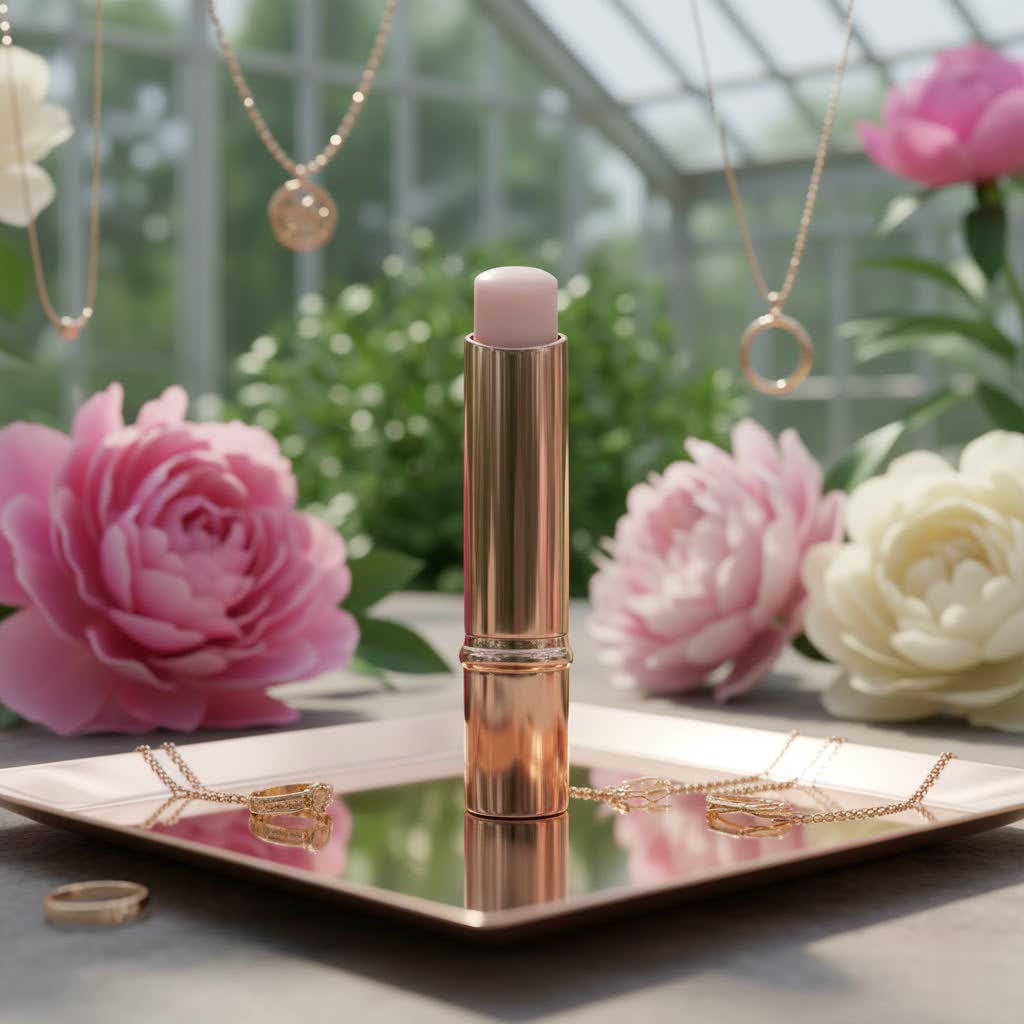
Lip balm is essential for maintaining soft, supple, and hydrated lips because the delicate skin on the lips lacks sebaceous glands, making it highly vulnerable to environmental stressors like harsh weather and low humidity. Regular application creates a protective barrier, preventing dryness, chapping, and promoting healing, ultimately contributing to overall lip health and a fresh appearance.
Why Lip Balm is Absolutely Essential
The skin on your lips is uniquely vulnerable. Unlike other areas of your face, lips lack sebaceous glands, which are responsible for producing natural oils that keep skin moisturized. This makes them highly susceptible to external factors, leading to dryness, cracking, and discomfort.
The Importance of Lip Hydration
Our lips are constantly battling a many environmental aggressors. Harsh weather conditions, from biting winter winds to scorching summer sun, can strip away vital moisture. Low humidity, air conditioning, and even frequent lip licking can exacerbate dehydration. When your lips lose moisture, they become dry, flaky, and can even crack or peel, sometimes leading to pain and discomfort. Regular hydration is not just about comfort; it’s crucial for maintaining the integrity and health of your lip barrier.
The Benefits of Using Lip Balm Regularly
Consistent use of lip balm offers a wealth of benefits that go beyond just temporary relief:
- Prevents Dryness and Chapping: Lip balm creates a protective barrier that seals in moisture, actively preventing your lips from drying out and becoming chapped.
- Shields from Environmental Damage: Many lip balms contain ingredients like SPF that protect your lips from harmful UV rays, preventing sunburn and long-term damage. They also guard against windburn and extreme temperatures.
- Promotes Healing: For already chapped or cracked lips, a good lip balm can provide soothing relief and aid in the healing process, thanks to its moisturizing and often restorative ingredients.
- Enhances Lip Softness and Smoothness: Regular application keeps your lips feeling soft, smooth, and plump, creating an ideal canvas for any lip color you might choose to apply.
- Supports Overall Lip Health: By maintaining hydration and protection, lip balm contributes to the overall health and youthful appearance of your lips, potentially preventing the formation of fine lines.
Popular Types of Lip Balm
The market offers a diverse array of lip balms, each designed with specific textures, applications, and benefits in mind. Understanding these types can help you choose the perfect match for your needs.
Stick Lip Balms
Stick balms are perhaps the most ubiquitous type of lip balm.
- Pros: Ease of use and portability are their main advantages. They are hygienic as they don’t require finger application and can be applied quickly on the go.
- Cons: Some formulations might feel less intensely moisturizing compared to thicker balms. If made with certain occlusives, they can feel a bit heavy or waxy.
- Best for: Anyone seeking quick, convenient application and daily moisture for normal to slightly dry lips.
Pot Lip Balms
|
Our Picks for the Best Lip Balm in 2026
As an Amazon Associate I earn from qualifying purchases.
|
||
| Num | Product | Action |
|---|---|---|
| 1 | eos 100% Natural & Organic Lip Balm Sticks- Strawberry Sorbet, Vanilla Bean, Sweet Mint & Pomegranate Raspberry, Lip Care Products, 0.14 oz, 4-Pack |

|
| 2 | Aquaphor Lip Repair Stick with Jojoba Oil and Shea Butter, Moisturizing Lip Balms, Fragrance Free and Paraben Free, Immediately Relieves Dryness, 0.17 Oz Stick, Pack of 4 |
|
| 3 | Burt's Bees Lip Balm, Beeswax, Strawberry, Coconut and Pear, and Vanilla Bean Pack, With Responsibly Sourced Beeswax, Tint-Free, Natural Lip Treatment, 4 Tubes, 0.15 oz. |
|
| 4 | Aquaphor Lip Repair Stick, Moisturizing Lip Balm Pack, Relieves Dryness, 0.17 Oz Stick, Pack of 2 |
|
| 5 | LANEIGE Lip Glowy Balm: Sheer Tinted Lip Moisturizer with Shea Butter, for Hydrating Shine & Soft Lips |
|
| 6 | Earth's Daughter USDA Organic Lip Balm 6-Pack - Fruit Flavors, Beeswax, Coconut Oil, Vitamin E - Best Lip Repair Chapstick for Dry Cracked Lips - Moisturizing Lip Care |
|
| 7 | Sky Organics Organic Lip Balms With Beeswax for Lips, USDA Certified Organic, Four Assorted Flavors to Moisturize, Soothe & Soften, 4pk. |
|
| 8 | Aquaphor Lip Repair Ointment, Moisturizing Lip Balm Pack, Relieves Dryness, 0.35 Tube, Pack of 2 |
|
| 9 | Burt's Bees Lip Balm - Original Beeswax 12 Count Pack in Bulk, Lip Moisturizer With Responsibly Sourced Beeswax, Tint-Free, Natural Origin Conditioning Treatment, 12 Tubes, 0.15 oz |
|
| 10 | Blistex Medicated Lip Balm, 0.15 Ounce, 3 Count (Pack of 1) Prevent Dryness & Chapping, SPF 15 Sun Protection, Seals in Moisture, Hydrating Lip Balm, Easy Glide Formula for Full Coverage |
|
Housed in small pots or tins, these balms are typically applied with a fingertip or a brush.
- Pros: Often feature richer, more emollient formulas designed for deeper hydration. They frequently contain natural butters and oils.
- Cons: Require clean fingers or a dedicated brush for application, which can be less hygienic and less convenient for quick touch-ups throughout the day.
- Best for: Individuals with very dry or chapped lips needing intensive, deep conditioning, especially as part of a nighttime routine.
Tinted Lip Balms
These balms combine the benefits of hydration with a hint of color.
- Pros: Offer a natural, sheer wash of color, perfect for a subtle makeup look while keeping lips moisturized. They are a great alternative to lipstick for a more casual feel.
- Cons: The color payoff is usually light, and the hydrating properties might not be as intense as dedicated treatment balms.
- Best for: Those who desire a touch of color and shine along with their lip care, for a fresh, effortless look.
Overnight Lip Balms / Lip Masks
Designed for intensive treatment, these are typically applied before sleep.
- Pros: Formulated with highly concentrated nourishing ingredients to repair and restore lips overnight. They usually have a thicker, more luxurious texture that stays on for hours.
- Cons: Their rich consistency can feel too heavy for daytime wear.
- Best for: Individuals with severely dry, cracked, or damaged lips who need dedicated overnight repair and deep conditioning.
Flavored Lip Balms
These balms incorporate various flavors and scents, from fruity to minty.
- Pros: Offer a pleasant sensory experience and can make lip care more enjoyable, encouraging frequent use.
- Cons: Artificial flavors and fragrances can sometimes be irritating for sensitive lips.
- Best for: Users who enjoy a fun, aromatic element to their lip care, provided the ingredients are gentle.
Comparison of Popular Lip Balm Types
| Type of Lip Balm | Pros | Cons | Best For |
|---|---|---|---|
| Stick | Easy, hygienic, portable | Less intensive hydration than pots | Daily use, on-the-go moisture |
| Pot | Deeply hydrating, rich formulas | Less hygienic, requires finger application | Intensive repair, very dry lips, nighttime |
| Tinted | Hydrates and adds subtle color | Lighter hydration, limited color range | Natural makeup look, subtle enhancement |
| Overnight/Mask | Intensive repair, long-lasting moisture | Heavy texture, not ideal for daytime | Severely dry lips, overnight treatment |
| Flavored | Enjoyable sensory experience | Potential irritants (artificial flavors/fragrances) | Users who enjoy scented products |
Choosing the Right Fresh Lip Balm for You (Buying Guide)
Selecting the perfect lip balm involves understanding your unique lip needs and knowing which ingredients to embrace and which to avoid.
Determine Your Lip Skin Type
- Dry or Chapped Lips: Look for balms with powerful emollients and occlusives that offer intense hydration and create a strong barrier. Ingredients like shea butter, cocoa butter, lanolin, and beeswax are excellent choices.
- Sensitive Lips: Opt for fragrance-free and dye-free formulas. Avoid common irritants like menthol, camphor, phenol, and synthetic ingredients. Organic and natural balms are often a good starting point.
- Normal Lips: You have more flexibility! You can choose based on preference for texture, scent, or added benefits like SPF or tint.
Examine the Ingredients
A truly fresh lip balm nourishes and protects without harsh chemicals.
- Ingredients to Look For:
- Natural Butters & Oils: Shea butter, cocoa butter, coconut oil, jojoba oil, argan oil, almond oil, grapeseed oil, sunflower seed oil, and avocado oil are rich in fatty acids and vitamins, offering deep hydration and nourishment.
- Humectants: Hyaluronic acid and glycerin draw moisture from the air and deeper skin layers into your lips.
- Occlusives: Beeswax, lanolin, and squalane create a protective barrier to prevent moisture loss.
- Antioxidants & Vitamins: Vitamin E (tocopherol) and Vitamin C protect lips from environmental damage and aid in repair.
- Peptides: Can stimulate collagen production for fuller, healthier-looking lips.
- Ingredients to Avoid:
- Fragrances and Artificial Colors: These are common irritants, especially for sensitive lips, and can cause allergic reactions.
- Alcohol: Can be drying and exacerbate chapping over time.
- Parabens & Phthalates: Used as preservatives, these can disrupt hormones and irritate the skin.
- BHA and BHT: Synthetic preservatives that can be endocrine disruptors and potential carcinogens.
- Mineral Oils (e.g., Petrolatum, Paraffinum Liquidum, Ceresin): While they create a barrier, some argue they don’t truly nourish and can contain impurities. They are also non-breathable.
- Menthol, Camphor, Phenol: While they provide a cooling or tingling sensation, these ingredients can be overly harsh and actually dry out or irritate lips with prolonged use, creating a cycle of dependency.
- PEG-8: Can be contaminated with 1,4-dioxane, a chemical associated with increased cancer risk and organ damage.
Check for SPF (Sun Protection Factor)
If you spend time outdoors, even on cloudy days, a lip balm with SPF is crucial. The sun’s UV rays can damage lip skin, leading to dryness, premature aging, and even skin cancer. Look for a minimum of SPF 15, with SPF 30 or higher being ideal for extended exposure. Mineral sunscreens like zinc oxide and titanium dioxide are often preferred for sensitive lips as they sit on the skin’s surface and are less likely to irritate.
Read Reviews and User Assessments
Before committing to a new product, take the time to read reviews from other users. Their experiences can provide valuable insights into a balm’s texture, scent, longevity, and effectiveness, helping you make an informed decision that aligns with your expectations.
Top Picks – Favorite Fresh Lip Balms
Here are a few highly-regarded lip balms that embody freshness through their natural ingredients, effective hydration, and revitalizing feel:
Fresh Sugar Lip Treatment
This iconic lip balm is known for its luxurious feel and effective hydration. Infused with real sugar, a natural humectant, and a blend of nourishing oils like grapeseed and cranberry seed oil, it delivers 24-hour moisture and a smooth, buttery texture. It’s available in clear and sheer tinted options, providing a healthy, fresh look while conditioning the lips. It’s an excellent choice for those seeking a premium product that leaves lips feeling soft, supple, and healthy.
Kiehl’s Lip Balm #1
A cult classic for a reason, Kiehl’s Lip Balm #1 is renowned for its thick, protective formula. While not “fresh” in the minty sense, its ability to deeply hydrate and shield lips from environmental damage contributes to a consistently fresh and healthy feel. It’s fragrance-free, making it suitable for even the most sensitive lips, and absorbs effectively to relieve dryness and chapping. This balm is perfect for anyone needing serious relief and long-lasting protection.
Burt’s Bees Tinted Lip Balm
For a touch of color with natural goodness, Burt’s Bees Tinted Lip Balm is a fantastic option. Made with beeswax, shea butter, and botanical waxes, it offers both hydration and a sheer, buildable tint. These balms provide a naturally fresh and subtle enhancement to your lips while nourishing them with wholesome ingredients. They are ideal for those who prefer natural ingredients and a light, effortless pop of color.
Conclusion
Embracing lip balm as a non-negotiable step in your daily routine is the key to unlocking a consistently fresh, healthy, and beautiful pout. From protecting against harsh elements to providing deep hydration and a touch of color, the right lip balm can improve your lip health. By understanding your lip’s unique needs, choosing beneficial ingredients, and avoiding potential irritants, you empower your lips to thrive. So, go ahead, choose a lip balm that speaks to you, and let your lips experience the revitalizing touch of consistent care. What’s your secret to maintaining that perfectly fresh smile?
Frequently Asked Questions
How often should I use lip balm a day?
For optimal lip health, it’s generally recommended to apply lip balm several times throughout the day, especially after eating, drinking, or any activity that might remove the balm. A good rule of thumb is every 2-4 hours, or whenever your lips feel dry. Consistent application maintains the protective barrier and prevents moisture loss.
Can lip balm treat dark lips?
While lip balm primarily focuses on hydration and protection, some formulations can indirectly help improve the appearance of dark lips. Balms containing SPF can prevent further darkening caused by sun exposure, and those with antioxidant-rich ingredients like Vitamin C and E can support overall lip health and natural tone over time. However, for significant discoloration, consultation with a dermatologist is recommended.
Which ingredients in lip balm should I avoid?
To ensure your lip balm is genuinely beneficial, avoid ingredients like artificial fragrances and colors, alcohol, parabens, phthalates, BHA, BHT, and mineral oils (petrolatum, paraffin). While they provide a temporary cooling sensation, ingredients like menthol, camphor, and phenol can actually irritate and dry out your lips in the long run.
Frequently Asked Questions
How often should I apply lip balm throughout the day?
For optimal lip health, it is generally recommended to apply lip balm several times throughout the day, specifically every 2-4 hours. This frequency helps maintain a consistent protective barrier, especially after eating, drinking, or any activity that might remove the balm, preventing moisture loss and keeping lips hydrated.
Can using lip balm help improve the appearance of dark lips?
While lip balm primarily focuses on hydration and protection, some formulations can indirectly help improve the appearance of dark lips. Balms with SPF 15 or higher can prevent further darkening from sun exposure, and those rich in antioxidants like Vitamin C and E can support overall lip health. For significant discoloration, consulting a dermatologist is recommended.
What ingredients should I avoid when choosing a lip balm?
When selecting a lip balm, avoid ingredients such as artificial fragrances, colors, alcohol, parabens, phthalates, BHA, BHT, and mineral oils like petrolatum. Additionally, steer clear of menthol, camphor, and phenol, as these can provide a temporary cooling sensation but may irritate and dry out lips with prolonged use, creating a cycle of dependency.
What are the main benefits of using lip balm regularly?
Regular use of lip balm offers several key benefits, including preventing dryness and chapping by creating a protective barrier, shielding lips from environmental damage with ingredients like SPF, and promoting healing for already chapped lips. It also enhances lip softness and smoothness, contributing to overall lip health and a youthful appearance.
Which type of lip balm is best for severely dry and cracked lips?
For severely dry and cracked lips, overnight lip balms or lip masks are typically the most effective. These products are formulated with highly concentrated nourishing ingredients and have a thicker, more luxurious texture designed for intensive repair and deep conditioning while you sleep. Pot lip balms with rich, emollient formulas are also excellent for deep hydration.
Get our weekly buyer guide
Practical specs, not advice. Unsubscribe anytime.

This was super helpful! I never really thought about how environmental stressors affect my lips until now. I’ve been using a balm with shea butter for a few weeks, and it’s been amazing for preventing dryness and keeping my lips feeling healthy. Definitely a game-changer for my daily routine.
I’ve always struggled with chapped lips, especially in the winter. This guide really helped me understand why my lips are so vulnerable and what to look for. I picked up a balm with hyaluronic acid and it’s made such a difference! My lips feel so much more hydrated and soft, even when I’m out in the cold.
I appreciate the info on why lips lack sebaceous glands, that was interesting. I tried a new balm with SPF that was mentioned, hoping it would be my new go-to. While it did protect my lips from the sun, I found the texture a little too waxy for my liking. It felt a bit heavy, so I’m still on the hunt for something lighter.
I used to just grab whatever lip balm was cheapest, but after reading about the importance of a protective barrier, I’m paying more attention. I tried one of the recommended brands in the mid-price range and it’s definitely an upgrade. My lips feel less dry throughout the day, which is great.