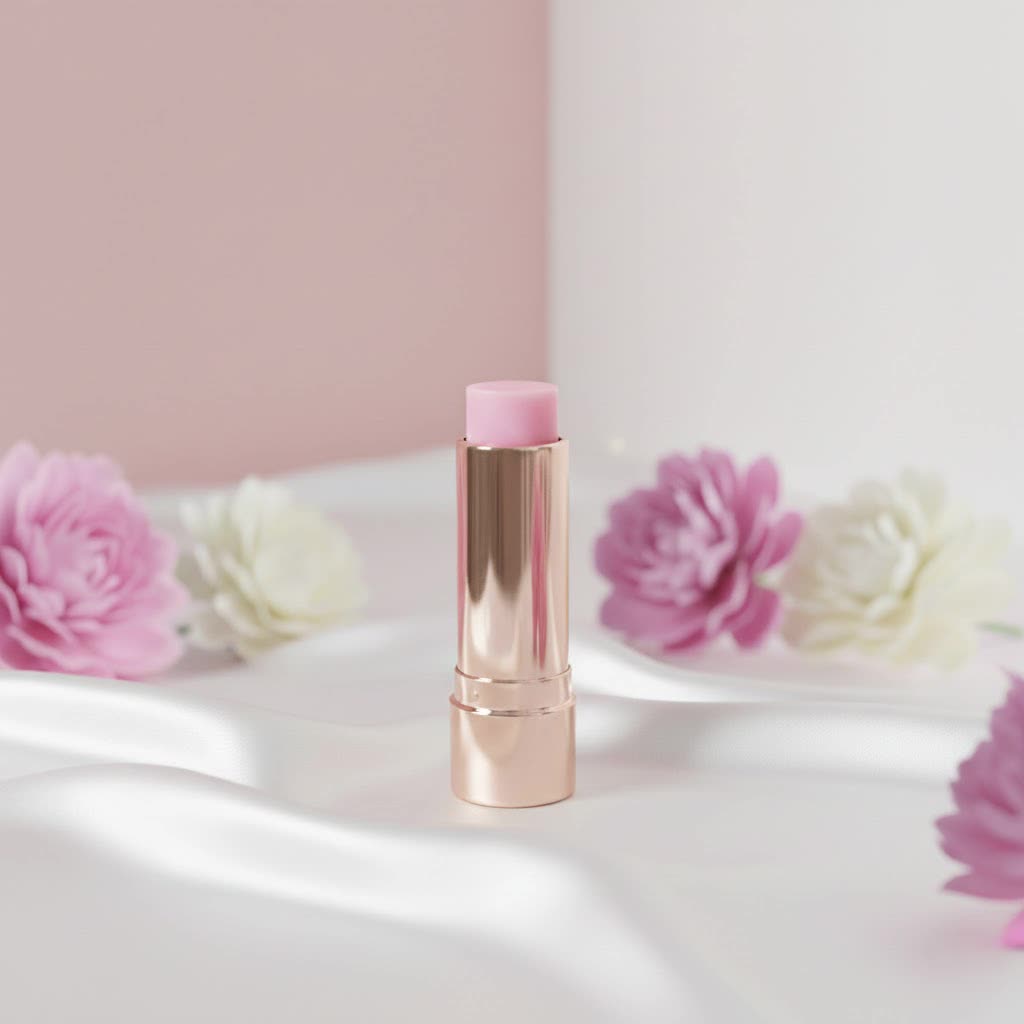
Have you ever wondered why your lips always seem to be the first to suffer from dryness, cracking, or peeling? Unlike other parts of your skin, lips lack oil glands, making them incredibly vulnerable to environmental stressors and moisture loss. This is precisely why a high-quality moisturizing lip balm isn’t just a beauty accessory, but a vital part of your daily self-care routine. It acts as a protective shield and a nourishing treatment, transforming parched pouts into soft, supple lips. This comprehensive guide will explore why lip balm is so crucial, the different types available, how to choose the perfect one for your needs, and share some top recommendations to help you discover the secret to a healthy, confident smile.
Why Is Moisturizing Lip Balm Important?
Our lips are often the unsung heroes of our face, constantly exposed to elements that can strip away their natural moisture. Understanding their unique anatomy helps us appreciate the critical role moisturizing lip balm plays in maintaining their health and appearance.
The Importance of Lip Hydration
Lips are uniquely susceptible to dryness and chapping because they lack the sebaceous glands found elsewhere on your skin, which produce natural oils to keep skin moisturized. The thin stratum corneum (outermost layer) on your lips also means they lose moisture more rapidly than other areas of your body. Factors like harsh weather, dry air, sun exposure, and even certain medications can exacerbate this vulnerability, leading to uncomfortable dryness, cracking, and peeling. Regular hydration is crucial to counteract these effects and maintain the delicate balance of your lip’s skin barrier.
Benefits of Regular Moisturizing Lip Balm Use
Consistent application of moisturizing lip balm offers a multitude of benefits that extend beyond simply relieving discomfort. Firstly, it creates a protective barrier that seals in moisture, preventing the rapid evaporation of water from your lips. This barrier also shields your delicate lip skin from external aggressors such as biting winds, cold temperatures, and harmful UV rays, reducing the likelihood of chapping and irritation. Furthermore, the nourishing ingredients often found in quality lip balms help to repair damaged skin, promote healing, and restore softness and elasticity, ensuring your lips remain smooth, plump, and healthy.
“Moisturizing lip balm is not merely a cosmetic choice, but a fundamental step in daily lip care, essential for protecting and restoring the delicate skin barrier.”
Popular Types of Moisturizing Lip Balms
The world of moisturizing lip balms is diverse, offering various formulations and application methods to suit different preferences and needs. Each type brings its own set of advantages and considerations.
Stick Lip Balms
|
Our Picks for the Best Lip Balm in 2026
As an Amazon Associate I earn from qualifying purchases.
|
||
| Num | Product | Action |
|---|---|---|
| 1 | Burt's Bees Lip Balm, Beeswax, Strawberry, Coconut and Pear, and Vanilla Bean Pack, With Responsibly Sourced Beeswax, Tint-Free, Natural Lip Treatment, 4 Tubes, 0.15 oz. |

|
| 2 | Burt's Bees Lip Balm - Original Beeswax 12 Count Pack in Bulk, Lip Moisturizer With Responsibly Sourced Beeswax, Tint-Free, Natural Origin Conditioning Treatment, 12 Tubes, 0.15 oz |
|
| 3 | Aquaphor Lip Repair Ointment, Moisturizing Lip Balm Pack, Relieves Dryness, 0.35 Tube, Pack of 2 |
|
| 4 | Aquaphor Lip Repair Stick with Jojoba Oil and Shea Butter, Moisturizing Lip Balms, Fragrance Free and Paraben Free, Immediately Relieves Dryness, 0.17 Oz Stick, Pack of 4 |
|
| 5 | Aquaphor Lip Repair Stick, Moisturizing Lip Balm Pack, Relieves Dryness, 0.17 Oz Stick, Pack of 2 |
|
| 6 | Sky Organics Organic Lip Balms With Beeswax for Lips, USDA Certified Organic, Four Assorted Flavors to Moisturize, Soothe & Soften, 4pk. |
|
| 7 | LANEIGE Lip Glowy Balm: Sheer Tinted Lip Moisturizer with Shea Butter, for Hydrating Shine & Soft Lips |
|
| 8 | Blistex Medicated Lip Balm, 0.15 Ounce, 3 Count (Pack of 1) Prevent Dryness & Chapping, SPF 15 Sun Protection, Seals in Moisture, Hydrating Lip Balm, Easy Glide Formula for Full Coverage |
|
| 9 | Earth's Daughter USDA Organic Lip Balm 6-Pack - Fruit Flavors, Beeswax, Coconut Oil, Vitamin E - Best Lip Repair Chapstick for Dry Cracked Lips - Moisturizing Lip Care |
|
| 10 | eos 100% Natural & Organic Lip Balm Sticks- Strawberry Sorbet, Vanilla Bean, Sweet Mint & Pomegranate Raspberry, Lip Care Products, 0.14 oz, 4-Pack |
|
Stick lip balms are arguably the most ubiquitous form, recognized for their incredible convenience and ease of application. Their solid, portable design makes them perfect for quick touch-ups throughout the day, easily fitting into pockets or small bags. While generally easy to use and sanitary when applied directly, some formulations may feel lighter or less intensely moisturizing compared to their thicker counterparts. They are ideal for individuals seeking a quick, no-fuss solution for everyday lip hydration.
Pot Lip Balms
Often housed in small jars or tins, pot lip balms typically offer a richer, more intensive moisturizing experience. These balms often boast thicker consistencies and may contain a higher concentration of emollient and occlusive ingredients, providing deeper nourishment and a more substantial protective barrier. However, their application usually requires using a finger or a small brush, which can be less sanitary than a stick format if hands are not clean. Pot balms are best suited for those with very dry or chapped lips needing extensive treatment, or for overnight use.
Tinted Lip Balms
For those who desire a touch of color alongside their hydration, tinted lip balms are an excellent hybrid option. These products combine the moisturizing benefits of a traditional balm with a sheer wash of color, offering a natural-looking enhancement to your lips. They are perfect for achieving a “no-makeup” makeup look or for days when you want a subtle hint of vibrancy without the full commitment of lipstick. However, the level of hydration might not always match that of a dedicated, untinted moisturizing balm, so it’s important to choose formulations that still prioritize nourishing ingredients.
Overnight Lip Balms and Masks
Designed for intensive repair and rejuvenation, overnight lip balms and masks are typically thicker, more concentrated treatments applied before bedtime. They are formulated to work their magic while you sleep, utilizing potent hydrating and restorative ingredients to deeply moisturize, heal cracks, and improve lip texture. These products often have a balmy or mask-like consistency that creates a substantial protective layer, ensuring active ingredients have ample time to penetrate and repair the lips. They are particularly beneficial for individuals battling chronically dry, chapped, or damaged lips, providing an ultimate overnight recovery solution.
Comparison Table: Types of Moisturizing Lip Balms
| Type of Lip Balm | Advantages | Disadvantages | Best For |
|---|---|---|---|
| Stick Lip Balms | Easy to use, highly portable, hygienic direct application | May offer less intensive hydration in some formulas | Quick, on-the-go hydration and daily use |
| Pot Lip Balms | Deeply moisturizing, often richer formulations, intense repair | Requires finger or brush for application (less hygienic) | Very dry/chapped lips, intensive treatment, overnight use |
| Tinted Lip Balms | Provides subtle color and hydration, natural look | Hydration level might be less potent than untinted balms | Light makeup, natural enhancement, casual wear |
| Overnight Lip Masks | Intensive repair, deep nourishment, works while you sleep | Typically thick, not ideal for daytime use | Chronically dry/damaged lips, deep restoration |
How to Choose the Right Moisturizing Lip Balm (Buying Guide)
Selecting the ideal moisturizing lip balm involves understanding your specific lip needs and knowing which ingredients truly make a difference. Navigating the myriad of options becomes easier with a focused approach.
Determine Your Lip Skin Type
The first step in choosing the right lip balm is to assess your lip’s condition.
- For Dry or Chapped Lips: If your lips are frequently dry, flaky, or cracked, prioritize balms rich in heavy emollients and occlusives for deep hydration and barrier repair. Look for ingredients like shea butter, petrolatum, and lanolin.
- For Sensitive Lips: If you experience irritation, redness, or allergic reactions, opt for fragrance-free, dye-free, and hypoallergenic formulations. Avoid common irritants like menthol, camphor, and synthetic flavorings.
- For Normal Lips: If your lips are generally healthy, you have more flexibility. Focus on balms that maintain hydration and offer daily protection, perhaps with a subtle tint or a pleasant, natural flavor.
Examine the Ingredients List
A truly effective moisturizing lip balm hinges on its ingredients. Look for a combination of these key players:
- Occlusives: These create a physical barrier to lock in moisture and prevent water loss. Excellent examples include petrolatum, beeswax, lanolin, dimethicone, and cocoa butter.
- Humectants: These attract moisture from the air and deeper skin layers to the surface of your lips. Hyaluronic acid (especially low-molecular-weight) and glycerin are top choices.
- Emollients: These soften and smooth the lips by filling in cracks and rough patches. Key emollients include shea butter, jojoba oil, coconut oil, squalane, vitamin E, and castor seed oil.
- Ingredients to Avoid: Steer clear of balms containing fragrances, artificial dyes, menthol, camphor, phenol, salicylic acid, and alcohol, as these can dry out or irritate sensitive lip skin over time.
Check for SPF (Sun Protection Factor)
Sun protection for your lips is just as vital as it is for your skin. UV exposure can lead to dryness, premature aging, and even increase the risk of skin cancer on the lips. If you spend time outdoors, even on cloudy days or in winter, choose a moisturizing lip balm with an SPF of 15 or higher. Look for mineral-based active ingredients like zinc oxide or titanium dioxide, which provide broad-spectrum protection without irritation. Reapply frequently, especially after eating or drinking, for continuous defense against sun damage.
Read User Reviews and Dermatologist Recommendations
Before making a purchase, take a moment to read reviews from other users and consult lists of dermatologist-recommended products. Real-world feedback can provide valuable insights into a product’s texture, longevity, scent, and overall effectiveness. Dermatologist recommendations often highlight products formulated with proven, non-irritating ingredients that are effective for various lip concerns. This step helps ensure you invest in a product that genuinely delivers on its promises.
Top Picks – Favorite Moisturizing Lip Balms
While personal preference always plays a role, certain types of moisturizing lip balms consistently receive high praise for their efficacy and formulation. Here are three categories of top-performing balms that address common lip concerns.
Intensive Repair Lip Ointment
This type of balm is a powerhouse for severely dry, chapped, or cracked lips. Often featuring a rich, occlusive base like petrolatum or lanolin, it creates a robust protective barrier that locks in moisture for extended periods, preventing further water loss and shielding lips from harsh environmental elements. Many formulations also include healing ingredients like panthenol and bisabolol to soothe irritation and accelerate the natural repair process. It’s a go-to for overnight treatment or for anyone needing serious relief and restoration from extreme dryness.
Daily Hydration Lip Balm with SPF
For everyday protection and maintenance, a moisturizing lip balm with added SPF is indispensable. These balms typically blend humectants like hyaluronic acid with emollients such as shea butter and nourishing oils, providing continuous hydration and softness. The inclusion of mineral sunscreens like zinc oxide or titanium dioxide offers crucial broad-spectrum UV protection, making it perfect for daily wear, whether you’re commuting, enjoying outdoor activities, or simply running errands. It’s the ideal choice for proactive lip care, preventing sun damage while keeping lips smooth and supple.
Soothing Balm for Sensitive Lips
Crafted for those prone to irritation or allergies, this category of lip balm focuses on gentle, clean formulations. These balms are typically free from common irritants such as fragrances, dyes, parabens, and essential oils. Instead, they rely on soothing emollients like squalane, ceramides, and calendula extract to calm inflammation and rebuild the delicate lip barrier. The texture is often lightweight yet deeply conditioning, providing comfort and lasting moisture without any adverse reactions. It’s the perfect solution for reactive lips seeking pure, gentle nourishment.
Conclusion
Embracing a consistent lip care routine with the right moisturizing lip balm is a small step that yields significant rewards for your overall comfort and confidence. From understanding the unique vulnerabilities of your lips to identifying the key ingredients that truly nourish and protect, you now have the knowledge to make informed choices. Remember, a well-chosen moisturizing lip balm is more than just a quick fix; it’s an investment in the long-term health and beauty of your smile. By choosing products that provide deep hydration, essential protection, and gentle care, you can ensure your lips remain soft, smooth, and resilient against all challenges. What’s your go-to tip for keeping your lips perfectly hydrated?
Frequently Asked Questions
How often should I apply moisturizing lip balm?
For optimal results, apply moisturizing lip balm generously several times a day, especially before exposure to harsh weather (sun, wind, cold), after eating or drinking, and before bed. If your lips are severely dry, you may need to apply it even more frequently, every couple of hours, to provide continuous protection and healing.
Can moisturizing lip balm treat dark lips?
While moisturizing lip balm primarily addresses dryness and chapping, some formulations containing ingredients like vitamin C, licorice extract, or gentle exfoliants may help reduce lip pigmentation over time. However, a lip balm alone is generally not a primary treatment for dark lips. Consulting a dermatologist for tailored advice on pigmentation concerns is recommended.
Which ingredients in moisturizing lip balm should be avoided?
To prevent irritation and further dryness, it’s best to avoid lip balms containing common irritants such as menthol, camphor, phenol, salicylic acid, strong fragrances, artificial dyes, and alcohol. These ingredients can provide a temporary tingling sensation but often exacerbate dryness and sensitivity with prolonged use, hindering your lips’ natural healing process.
Get our weekly buyer guide
Practical specs, not advice. Unsubscribe anytime.
